

How to Hydrate Your Skin in Winter:
A Guide for Dry and Sensitive Skin
Winter has a way of changing everything.
The air becomes cooler, heaters come on, and many of us begin to notice something different about our skin. Tightness after cleansing. Flaking around the nose. Redness that wasn't there before. A complexion that suddenly feels dry, sensitive, or uncomfortable.
If you've ever wondered why your skin seems to struggle during the colder months, you're not alone.
The good news is that healthy winter skin isn't about using more products or following complicated routines. Often, it's about understanding what your skin is experiencing and creating the conditions that allow it to do what it does best.
Why does my skin get so dry in winter?
Several factors contribute to this seasonal change.
Cold outdoor temperatures and lower humidity reduce the amount of moisture in the air. Indoor heating can further decrease humidity levels, encouraging water to evaporate from the skin.
According to Del Rosso et al. (2016), the outermost layer of the skin, known as the skin barrier, plays an essential role in preventing excessive water loss and protecting the body from environmental stressors. When this barrier becomes disrupted, the skin may feel dry, tight, flaky, or more reactive.
Recent research by Fluhr et al. (2024) also highlights that dry, flaky, and sensitive skin are closely linked to alterations in barrier function and reduced hydration.
In other words, winter doesn't necessarily mean your skin is failing.
It may simply be asking for different support.

Understanding the Skin Barrier
The skin barrier is often compared to a brick wall.
The skin cells act like bricks, while lipids and natural moisturizing factors help hold everything together.
When this structure is functioning well, it helps:
Retain moisture.
Support softness and elasticity.
Reduce irritation.
Protect against environmental stressors.
Maintain balance.
When the barrier becomes compromised, water escapes more easily, a process known as transepidermal water loss (TEWL), and the skin can become more vulnerable to dryness and sensitivity (Del Rosso et al., 2016).
Rather than viewing dry skin as something to fight against, it can be helpful to see it as information.
Our skin is constantly adapting to the environment around us.
This is one reason many people with eczema, rosacea, or naturally sensitive skin experience increased symptoms during winter.
Research on barrier repair moisturizers suggests that supporting barrier function through appropriate skincare can help improve hydration and comfort (Madnani et al., 2024).
The goal isn't perfection.
It's resilience.
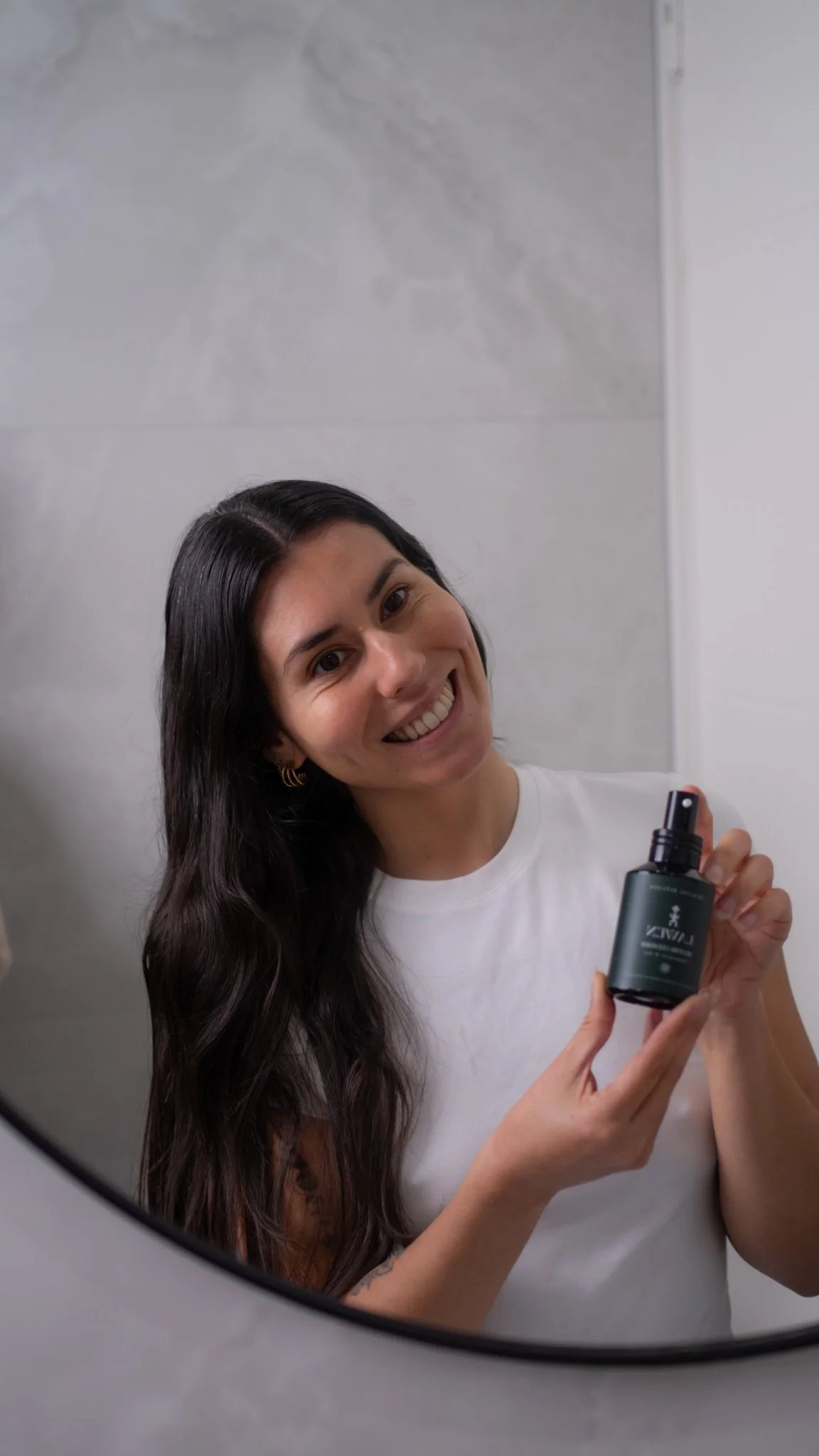
Winter Skincare for Dry Skin: Simplicity Matters
When it comes to winter skincare for dry skin, more isn't always better.
Healthy skin often responds well to consistency and simplicity.
Instead of adding numerous products, consider focusing on the fundamentals.

Step 1: Cleanse Gently
Many cleansers can leave the skin feeling squeaky clean.
While this might seem satisfying, overly harsh cleansing can remove lipids and natural moisturizing factors that help maintain hydration.
For sensitive skin in winter, gentle cleansers are often enough.
Look for formulations that prioritize:
Mild surfactants.
Aloe vera.
Colloidal oats.
Botanical extracts.
Glycerin.
After cleansing, your skin should feel comfortable—not tight.
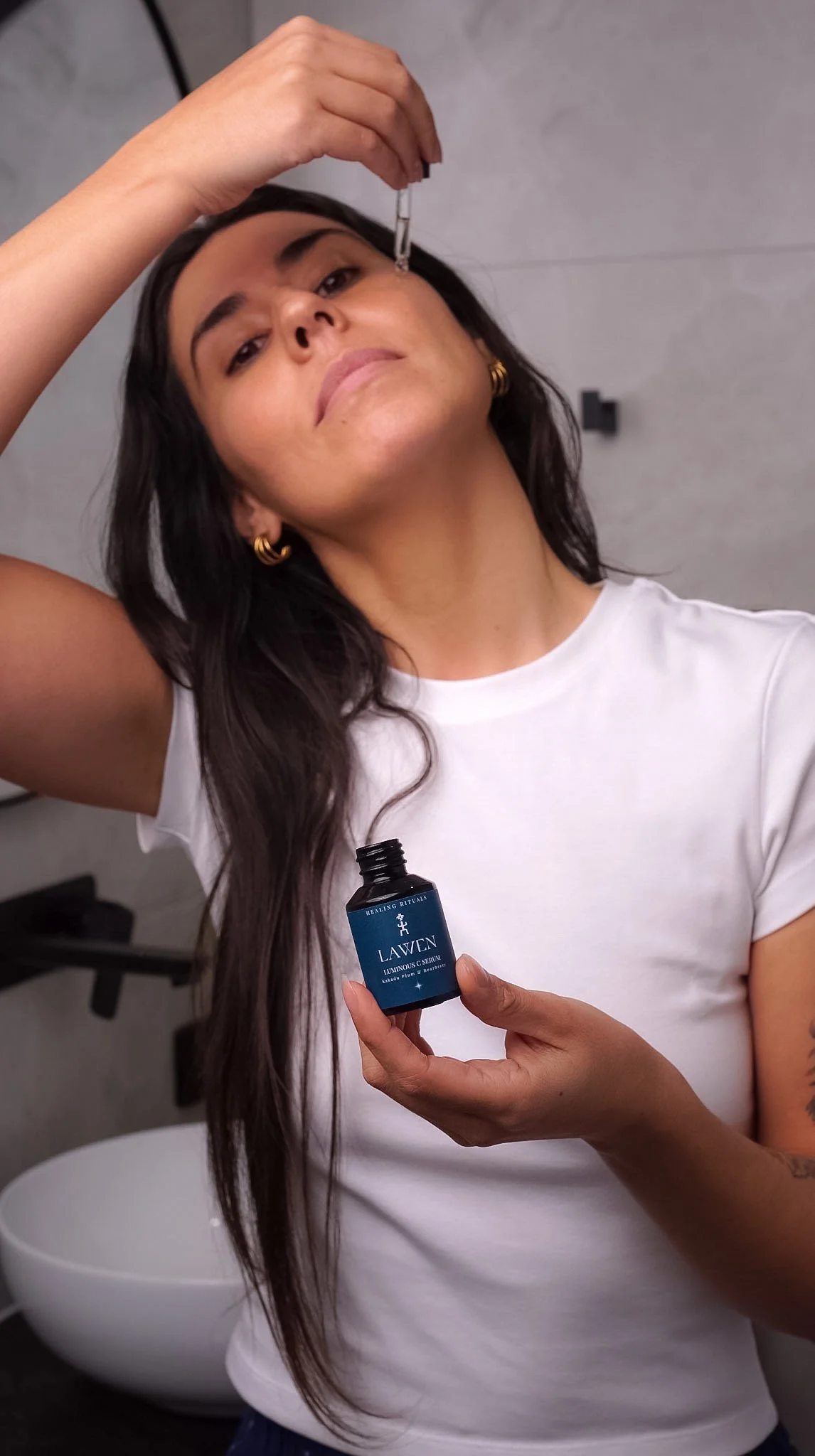
Step 2: Replenish Water
One of the keys to understanding how to hydrate skin in winter is recognizing that hydration and nourishment are not exactly the same.
Hydration refers to water.
Nourishment refers to oils and lipids.
Humectants help attract and hold water within the outer layers of the skin.
Examples include:
Hyaluronic acid.
Glycerin.
Aloe vera.
Tremella mushroom.
These ingredients can help support moisture levels and improve the feeling of dryness.
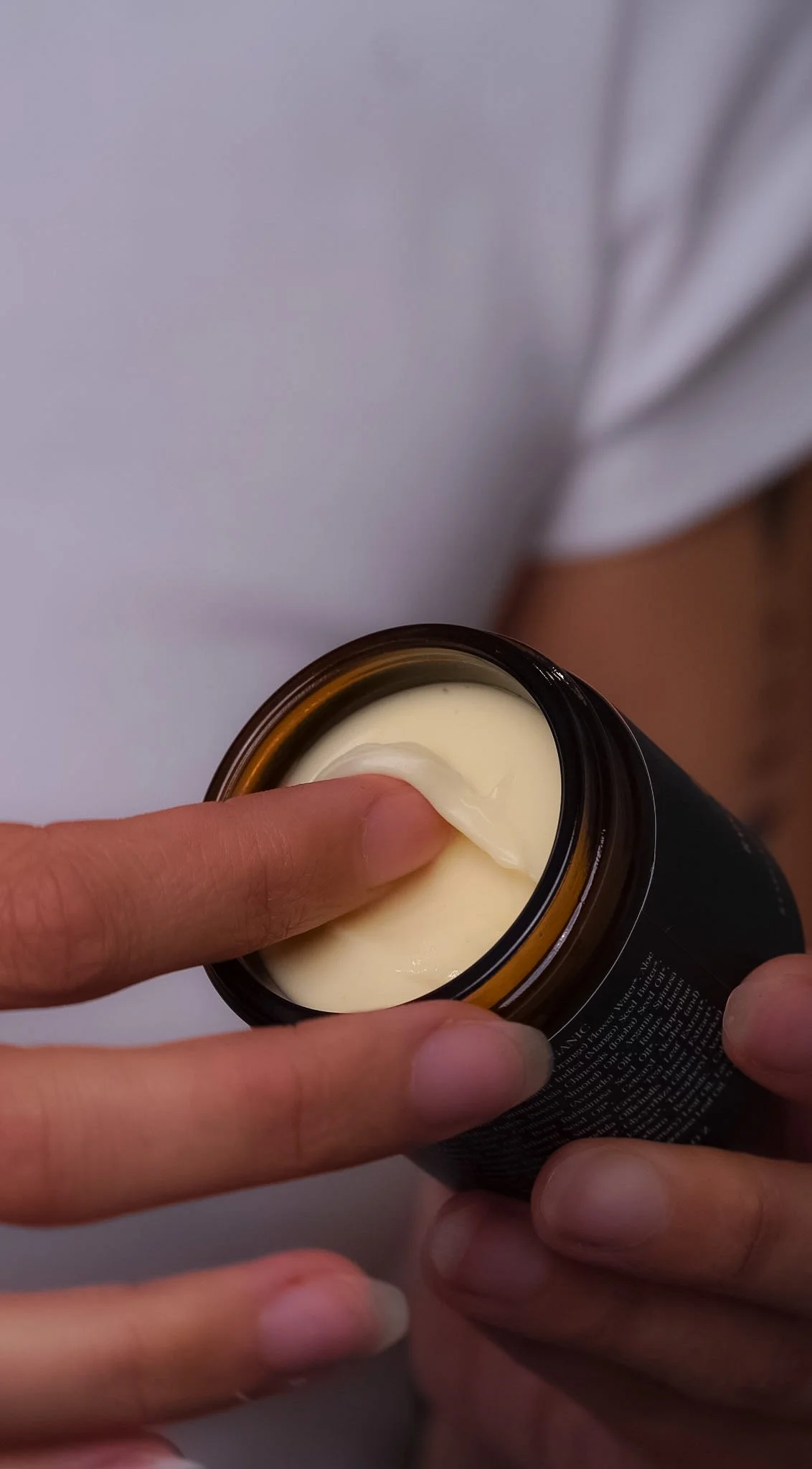
Step 3: Support the Barrier
Barrier support has become a major focus in dermatology, and for good reason.
Barrier repair moisturizers are designed to help replenish lipids and improve hydration. Research reviewed by Madnani et al. (2024) suggests that these types of formulations may play an important role in restoring barrier function.
Ingredients commonly associated with skin barrier repair include:
Ceramides.
Fatty acids.
Jojoba oil.
Squalane.
Shea butter.
Mango butter.
Botanical oils and butters have been used traditionally for generations, and modern research continues to explore the mechanisms through which they may support skin health.

Step 4: Reduce Unnecessary Irritation
Winter can be a wonderful time to simplify.
If your skin feels irritated, consider temporarily reducing:
Frequent exfoliation.
Strong acids.
Harsh scrubs.
Over-cleansing.
Very hot water.
Sensitive skin often benefits from fewer steps rather than more.
Balance tends to support the skin better than extremes.
Skin is influenced by more than the products we apply.
Stress, sleep, and the environment all influence how we feel, and sometimes, how our skin responds.
While skincare products can support the outer barrier, other rituals may also help create a sense of balance:
Drinking enough water.
Spending time in nature.
Prioritizing sleep.
Managing stress.
Enjoying nourishing foods.
Taking slower walks on crisp winter mornings.
Creating simple daily rituals.
Healthy skin isn't built overnight.
Like nature itself, it follows seasons.
Common Winter Skincare Mistakes
Taking very hot showers
Hot water can increase moisture loss and leave skin feeling tighter.
Over-exfoliating
Removing too much of the skin's protective surface may contribute to sensitivity.
Using too many active ingredients
Complex routines aren't always better.
Waiting until skin becomes extremely dry
Preventive care tends to be gentler than trying to repair severe dryness later.
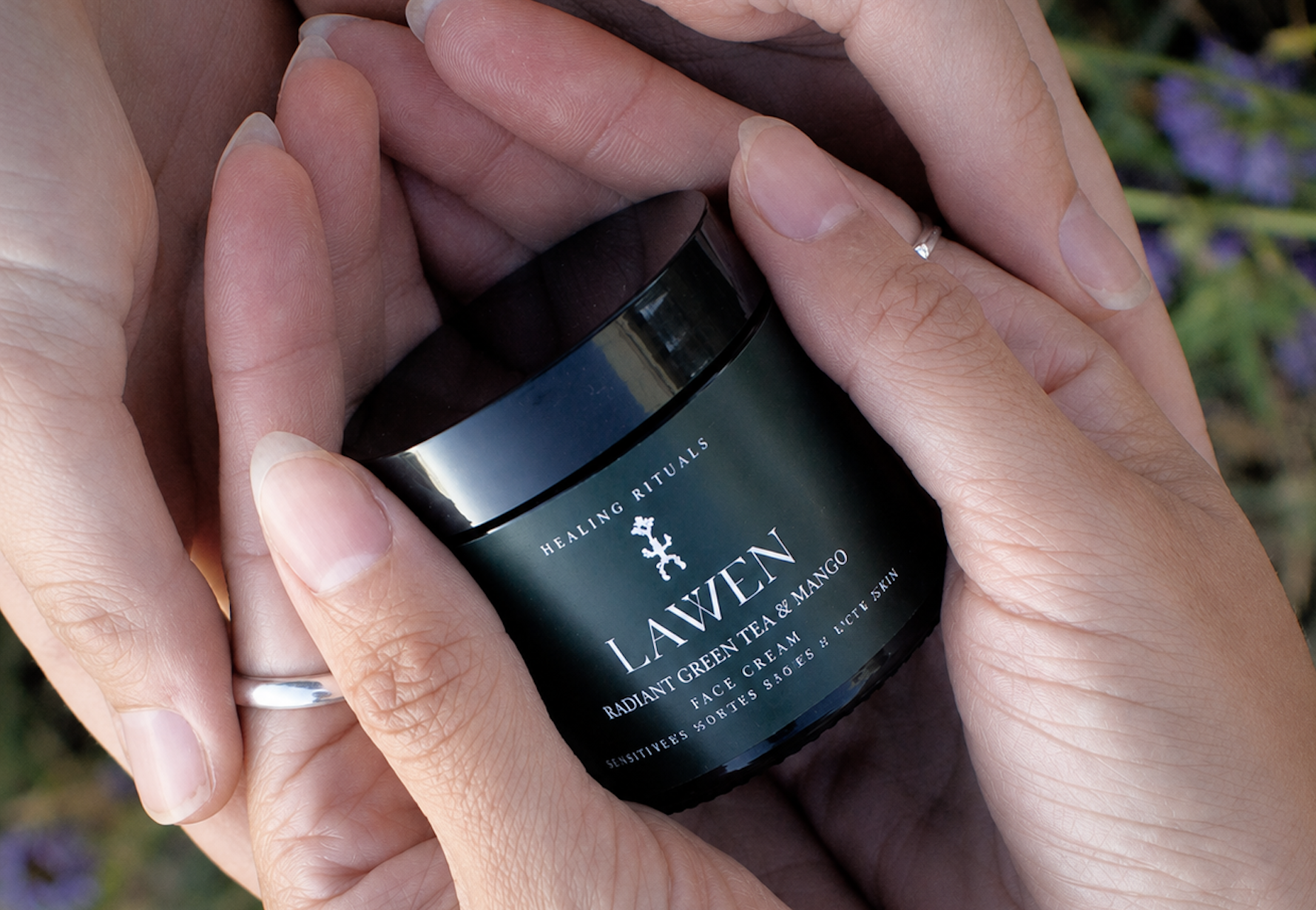
Support Your Skin This Winter
Healthy winter skin doesn't require more products.
Just thoughtful ones.
Explore our gentle rituals designed to nourish sensitive skin through the colder months.
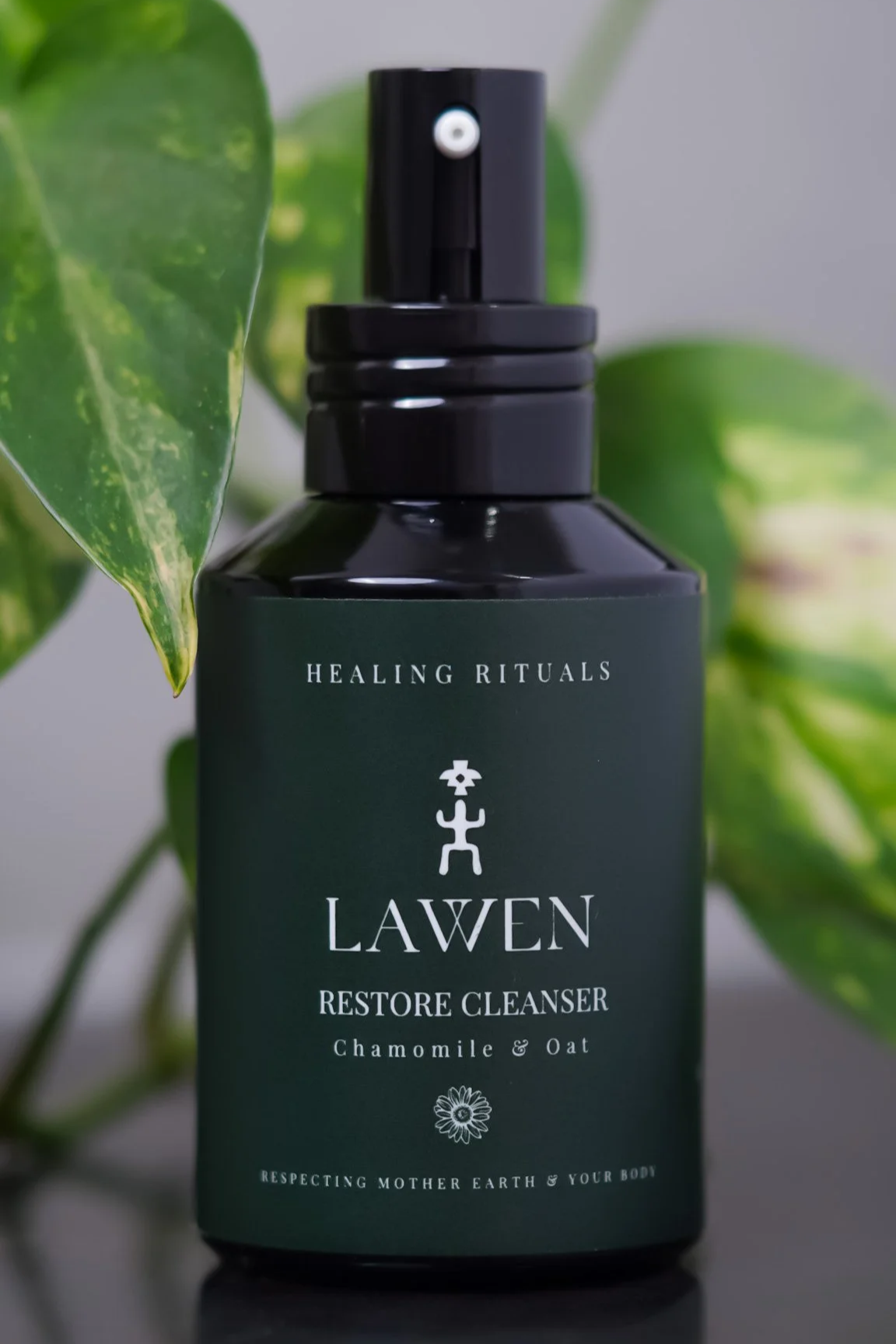
Restore Cleanser
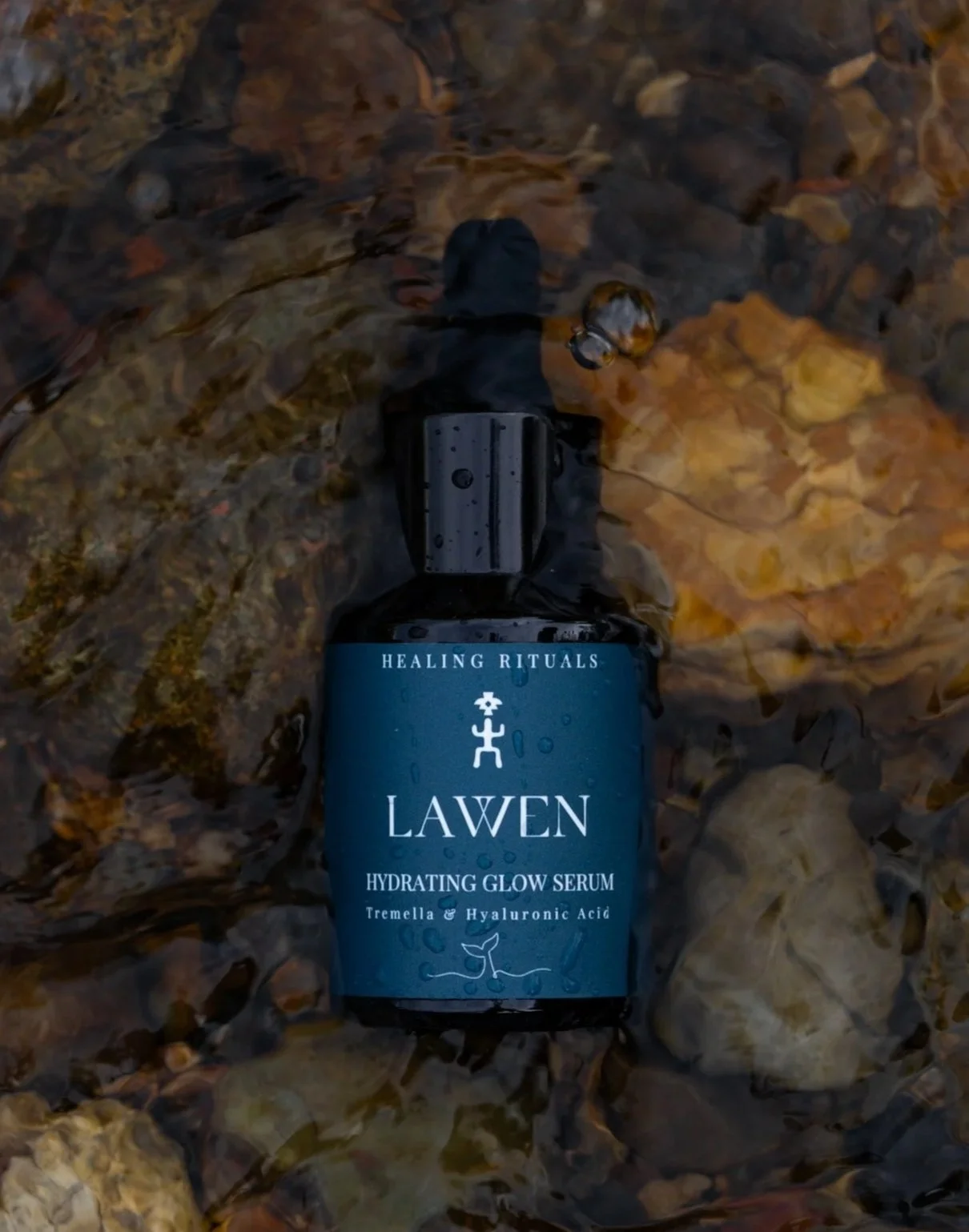
Hydrating Glow
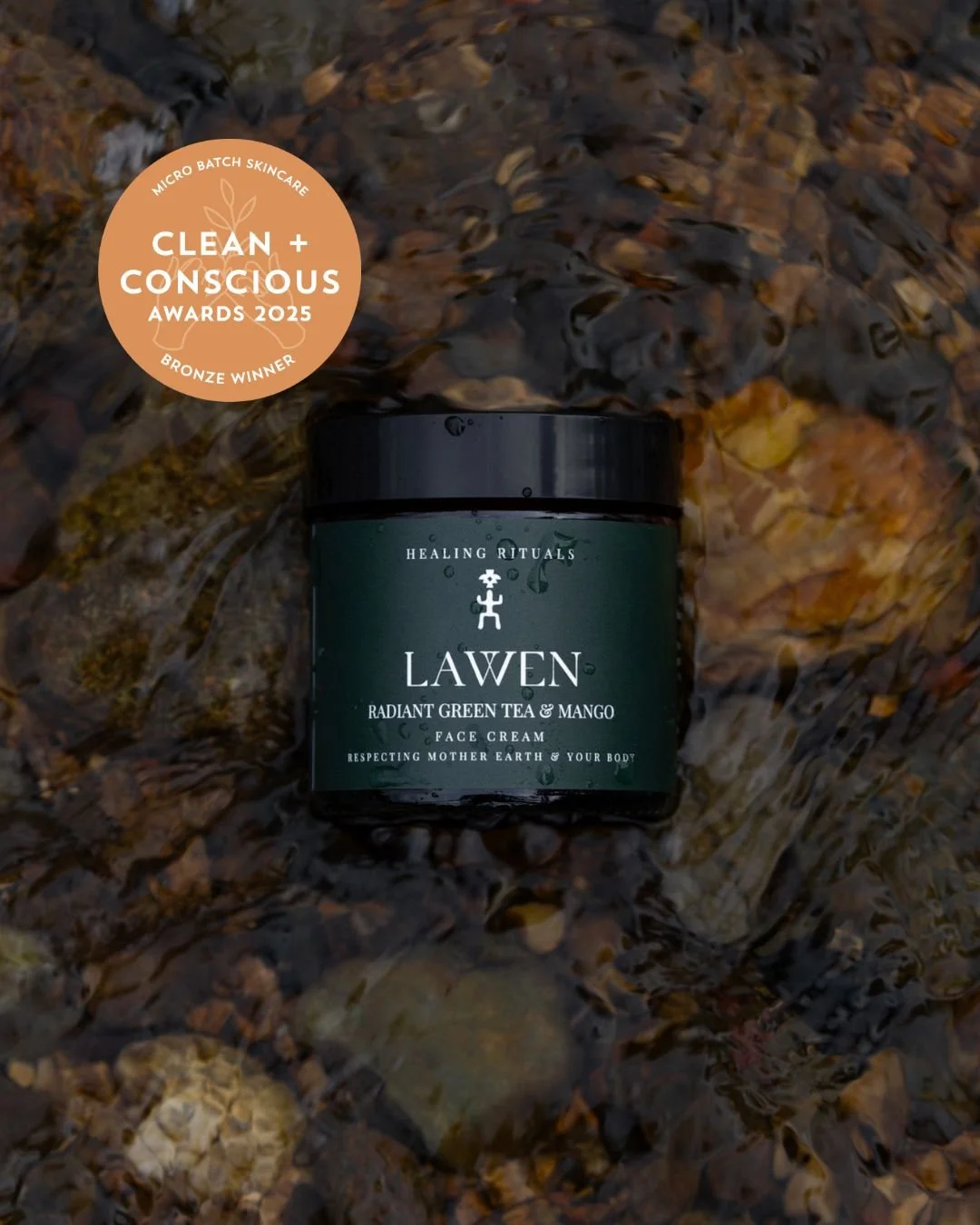
Face Cream
-
Focus on gentle cleansing, hydrating ingredients, nourishing moisturizers, avoiding excessive heat, and maintaining simple, consistent routines.
-
Cold weather itself is not necessarily harmful, but low humidity, indoor heating, and harsh skincare practices can contribute to barrier disruption.
-
Reduced moisture and environmental changes may make the skin barrier less effective, leaving skin feeling more reactive or uncomfortable.
-
Not necessarily. The ideal moisturizer depends on your skin's needs. Some people benefit from richer formulations, while others prefer lighter textures that still provide effective barrier support.
ReferencesDel Rosso, J. Q., Levin, J., & Friedlander, S. F. (2016). The clinical relevance of maintaining the functional integrity of the stratum corneum in both healthy and disease-affected skin. Journal of Clinical and Aesthetic Dermatology, 9(9), S44–S54.Fluhr, J. W., Augustin, M., Draelos, Z. D., et al. (2024). Dry, flaky and sensitive skin: Current understanding and management. Journal of the European Academy of Dermatology and Venereology. https://doi.org/10.1111/jdv.19745Madnani, N., Sivamani, R. K., Draelos, Z. D., et al. (2024). Barrier repair moisturizers and their role in maintaining skin health. Journal of Cosmetic Dermatology. https://doi.org/10.1111/jocd.16171